What Does the Check Engine Light Really Mean? Expert Diagnostic Guide
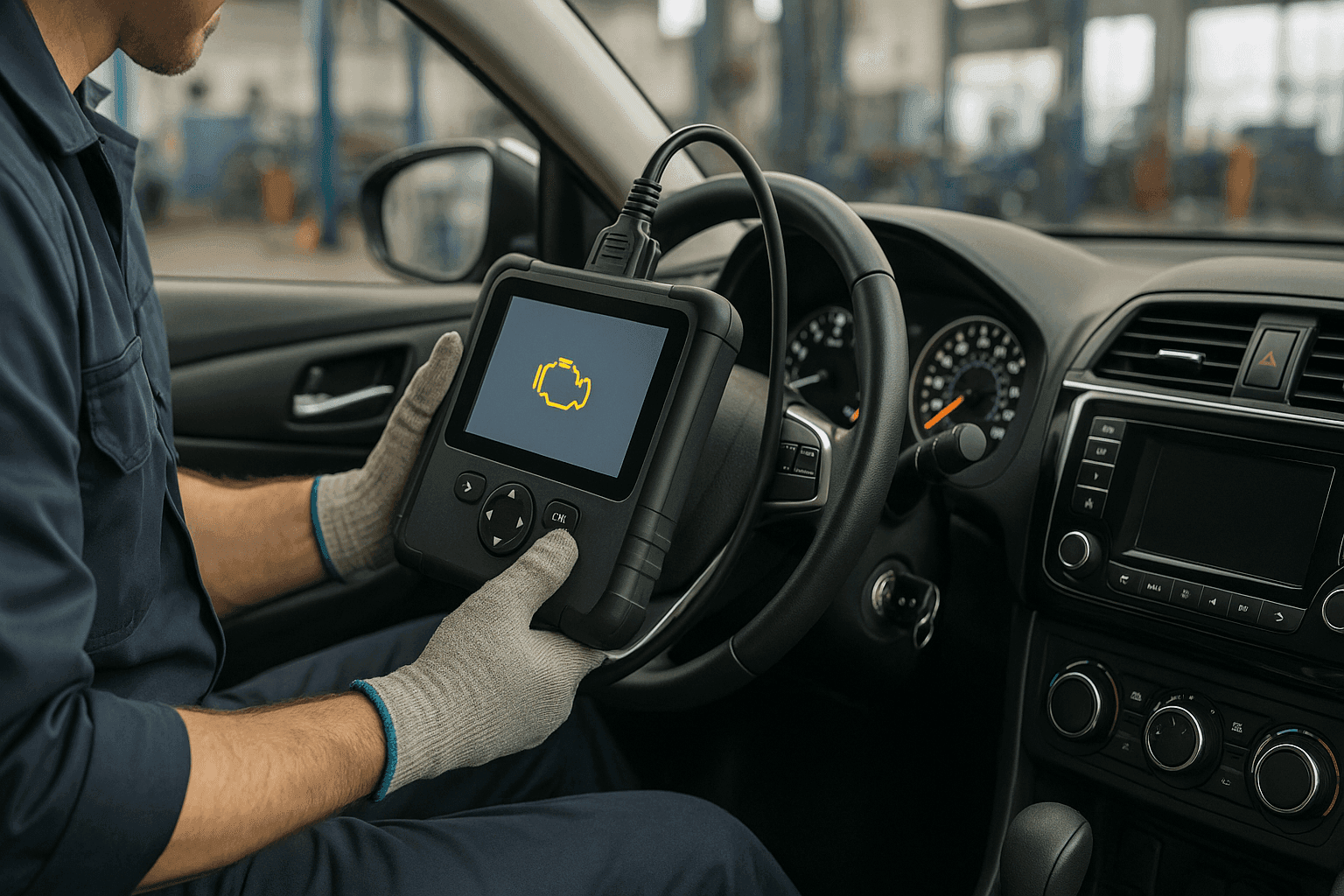
Ever been cruising down the road, music up, only to have that little orange engine icon flick on? Your heart skips a beat. The check engine light. It can make anyone uneasy. Is it a loose gas cap, or something worse?
At Hopkins Auto Repair, we get how nerve-wracking this can be—especially when time and money are on the line. For both families and fleet managers, understanding your vehicle’s warning signs is crucial. That’s why we’re breaking down what the check engine light really means and what you should do next.
What Triggers the Check Engine Light? 🚦
Think of your car’s computer as the conductor of an orchestra. It monitors everything: fuel mix, exhaust, engine temperature, and more. When something’s off-key—even slightly—the check engine light signals that something needs attention.
Typical Triggers Include:
- Oxygen sensor faults
- Loose or damaged gas cap
- Catalytic converter performance
- Spark plug or ignition coil issues
- Mass airflow sensor errors
- Emission control problems
Modern vehicles are full of sensors. If any sensor detects an abnormal reading, the computer stores a “trouble code” and flips on the warning light. Sometimes it’s minor. Sometimes it’s urgent.
Common Causes and Severity
Not all check engine lights are created equal. Some are gentle nudges. Others are red flags waving frantically.
Most Frequent Issues:
- Loose Gas Cap: Surprisingly common. A quick twist might solve it.
- Worn Spark Plugs: These can cause misfires and poor fuel economy.
- Faulty Oxygen Sensor: Impacts emissions and mileage.
- Catalytic Converter Problems: Ignoring this can lead to expensive repairs.
- Battery/Electrical Issues: Can trigger warnings if voltage dips.
Severity Scale:
- Steady Light: Usually safe to drive, but get it checked soon.
- Flashing Light: Stop driving if possible! This often signals engine misfire, risking severe damage.
Steps to Take When the Light Appears
When the check engine light comes on, don’t panic. Instead, follow these steps:
- Check for Obvious Issues: Is your gas cap loose? Tighten it and see if the light goes out after a few trips.
- Look for Other Warning Lights: Temperature, oil, or battery? These might indicate an urgent problem.
- Note Performance Changes: Is the car running rough, stalling, or losing power?
- Drive Moderately: If the light is steady and the car feels normal, you can drive short distances to an auto_repair shop.
- Flashing Light? Pull over safely and arrange a tow or roadside assistance.
The Importance of Professional Diagnostics 🛠️
DIY code readers and smartphone apps are handy. But they’re like reading a headline without the article. At Hopkins Auto Repair, our certified technicians use advanced diagnostic scanners that read both generic and manufacturer-specific codes.
Why Professional Diagnostics Matter:
- Pinpoint Accuracy: Avoid swapping parts blindly.
- Hidden Problems: Some issues trigger multiple codes; pros identify root causes.
- Preserve Warranties: Accurate records protect your investment.
- Safety: Some “minor” codes hint at major upcoming failures.
Our team explains every finding clearly—no tech-speak, just straightforward advice. We’ll show you what’s urgent, what can wait, and how to prevent repeat problems.
Quick Safety Checklist
- Is the check engine light flashing? Pull over immediately.
- Do you notice smoke, strange smells, or noises? Stop and seek help.
- Is your vehicle losing power or shaking? Minimize driving.
- Are other dashboard lights on? This could mean a related, urgent issue.
- Unsure? Play it safe—call for 24/7 roadside assistance.
DIY vs. Call a Pro
It’s tempting to ignore the light or clear codes at home. Sometimes, a gas cap fix is all you need. But for most issues, especially if the light returns, professional help is the safest route.
DIY:
- Tighten or replace gas cap.
- Check battery terminals for corrosion.
- Review owner’s manual for dashboard warnings.
Call a Pro:
- Repeated or flashing check engine light.
- Performance issues (stalling, rough idle).
- Failed emissions testing.
- Any dashboard warning you don’t recognize.
What Pros Do On Arrival
When you bring your vehicle to Hopkins Auto Repair, here’s what happens:
- Code Scan: We retrieve stored trouble codes from your vehicle’s computer.
- Visual Inspection: Look for leaks, loose wires, or worn components.
- Live Data Monitoring: Our scanners track real-time sensor readings.
- Functional Tests: We may run the engine, test drive, or check exhaust emissions.
- Transparent Report: You get a clear summary—what’s wrong, what needs fixing, and why.
We never “throw parts” at a problem. Our process saves you time and money by targeting the real issue.
Prevention & Maintenance
The best way to avoid check engine surprises is regular maintenance. Many warning lights stem from skipped services or overlooked wear.
- Follow your vehicle’s maintenance schedule.
- Prioritize oil changes, Suspension Repair near you, and fluid flushes.
- Replace spark plugs, belts, and hoses as recommended.
- Schedule emission testing and fuel system cleaning.
- Don’t ignore minor symptoms—catch small problems before they grow.
The National Highway Traffic Safety Administration (NHTSA) and EPA both emphasize regular maintenance for vehicle safety and emissions compliance.
Costs & Time Factors
Check engine light diagnostics don’t have to break the bank. The cost depends on the complexity of the issue and the parts involved.
- Diagnostics: Professional scans typically take under an hour.
- Minor Fixes: Gas cap or sensor replacements are quick.
- Major Repairs: Catalytic converters, electrical repairs, or transmission work can take longer and cost more.
Transparent communication is our promise—you’ll always know what’s happening and why.
When It’s an Emergency
A flashing check engine light is always urgent. Pull over, shut off the engine, and call for help. Continuing to drive risks major engine or catalytic converter damage.
Other emergencies:
- Smoke from under the hood
- Sudden loss of power
- Loud knocking or metallic noises
Safety first. For both personal vehicles and commercial fleets, quick action prevents accidents and expensive repairs.
FAQ
What if the check engine light goes off by itself?
Sometimes, after a loose gas cap or minor glitch, the light resets. If it stays off, keep an eye on performance. If it returns, schedule diagnostics.
Can I drive with the check engine light on?
If it’s steady and the car feels normal, you can drive short distances. If it’s flashing, pull over immediately.
Will my car pass inspection with the light on?
No. Most states require the light to be off for emissions and safety inspections.
Is a code reader from the store enough?
Home code readers give basic info, but professional diagnostics provide the full story and prevent costly guesswork.
Local & Seasonal Considerations 🧣
Extreme temperatures, road salt, and seasonal weather affect your car’s sensors and systems. Cold winters can stress batteries and electrical systems; hot summers strain cooling and AC. If you manage a fleet, regular pre-season checkups reduce breakdowns.
Hopkins Auto Repair is equipped for all seasons—whether you need Suspension Repair near you, electrical fixes in winter, or AC repair before summer.
If your check engine light is on, don’t wait. Let our certified diagnostics and clear communication put your mind at ease—and help you avoid bigger bills down the road.
Call Hopkins Auto Repair now — or reach us anytime at 877-745-7630 .