How to Diagnose Common Suspension Problems in Your Vehicle
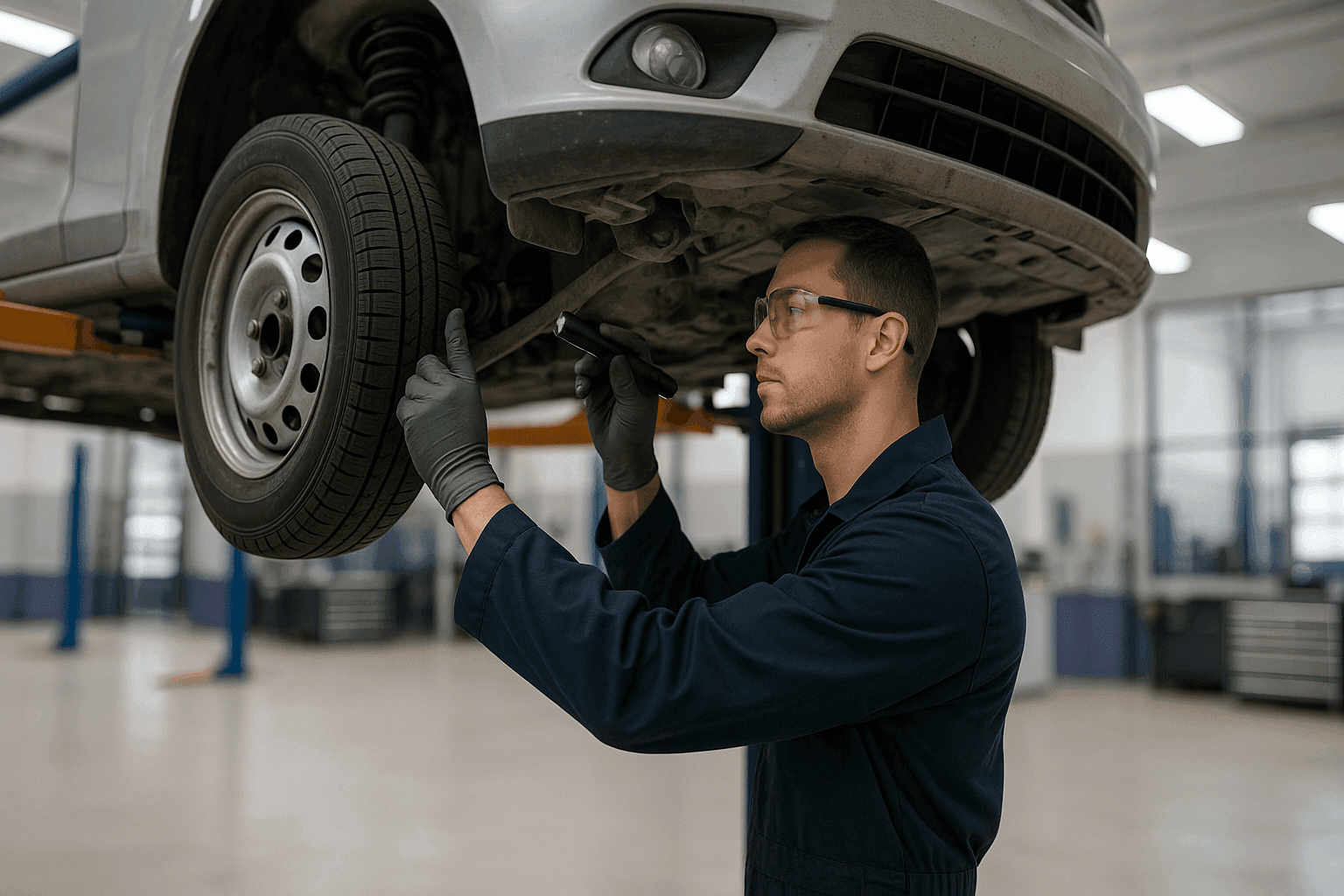
Is your daily drive starting to feel bumpier than usual? Even a small change—like a new rattle or the steering wheel pulling to one side—could mean trouble under your car. At Hopkins Auto Repair, we know suspension issues don’t just rattle your ride—they can affect safety, tire life, and your wallet if ignored.
Whether you’re a local driver or responsible for a fleet, knowing how to spot suspension problems can save you time, money, and stress. Let’s break down what you need to know.
Signs of Suspension Problems 🚗
Your car's suspension acts like the legs under a table—if something’s off, the whole ride feels shaky. Look out for these tell-tale signs:
- Unusual noises: Clunks, squeaks, or rattles when going over bumps or turning.
- Uneven tire wear: If one side of your tires is wearing down faster, the suspension might be to blame.
- Poor handling: Does your car drift on turns or feel loose on the road? That’s your suspension calling for help.
- Car leans or dips: Notice the front end dipping when you brake, or one corner sitting lower? That’s a warning.
- Vibrations: More than the usual hum from the road? Vibrations can signal worn-out parts.
These symptoms aren’t just annoyances—they’re your car’s way of waving a red flag.
Simple At-Home Checks vs. When to Seek Professional Help
Some suspension checks you can do in your driveway. Others? Leave them to a professional.
At-Home Suspension Checks
- Bounce Test: Push down hard on the front or rear of your parked car. If it bounces more than once or twice, your shocks or struts could be worn.
- Visual Inspection: Look for oil or grime on shocks and struts. Leaks mean trouble.
- Tire Check: Run your hand over the tire tread. Feel for odd patterns or bald spots.
- Listen Up: Drive slowly over a speed bump with your windows open. Listen for any clunks or creaks.
When to Consult an Auto_repair Professional
- If you hear persistent knocks or metallic noises.
- When your steering feels loose or the car pulls hard to one side.
- If you spot leaking fluid near wheel wells.
- When the car rides noticeably rougher—or you notice unsafe handling.
It’s always better to call for Suspension Repair near you sooner rather than later. Waiting can mean more expensive repairs and even safety risks.
Common Causes of Suspension Problems
What’s really going on under your vehicle? Most suspension troubles boil down to a few usual suspects:
- Worn Shocks or Struts: Like old sneakers, shocks lose their bounce over time. This leads to poor ride comfort and handling.
- Leaking Struts: If you see oily residue on the strut body, it’s time for service.
- Damaged Bushings: These rubber parts cushion joints and absorb vibration. When they crack or wear out, you’ll hear extra noise and feel more bumps.
- Broken Springs: If you hear a loud snap or see your car sitting lopsided, a spring may have broken.
- Ball Joint Wear: Ball joints let your suspension move smoothly. When they fail, steering and control suffer.
According to the National Highway Traffic Safety Administration (NHTSA), worn suspension parts can reduce your ability to control your vehicle—especially in emergencies.
Preventing Further Damage 🛑
Catching suspension problems early is like fixing a leaky faucet before it floods the kitchen. Here’s how to stop small issues from getting worse:
- Check tires and suspension parts regularly (monthly if you drive a lot or manage a fleet).
- Address warning signs promptly. Don’t brush off new noises or rough rides.
- Rotate tires and get wheel alignments as recommended by your owner’s manual.
- Schedule professional inspections—especially before long trips or heavy usage seasons.
- Replace damaged parts early. Delaying can lead to more expensive repairs to steering, brakes, or tires.
Routine maintenance keeps your car or fleet running safely and smoothly.
How to Communicate Symptoms to Your Technician
When you bring your vehicle to Hopkins Auto Repair (or call for 24/7 Roadside Assistance), clear communication saves time and money. Try using these tips:
- Describe the noise: Is it a clunk, squeak, or grinding sound?
- Note the conditions: Does it happen on bumps, turns, or while braking?
- Mention recent changes: New tires, alignment, or repairs can offer clues.
- Share frequency: Is it constant, only at certain speeds, or intermittent?
Sharing details helps our technicians zero in on the cause fast—so you’re back on the road with confidence.
Suspension Health for Residential and Commercial Vehicles
Suspension isn’t just a concern for commuters. Businesses with fleet vehicles depend on reliable rides for safety, efficiency, and reputation. Regular suspension checks:
- Reduce downtime and costly repairs
- Prevent roadside breakdowns
- Protect cargo and passengers
Both family cars and work trucks rely on a healthy suspension to handle daily demands.
Practical Next Steps
If you suspect a suspension problem:
- Park safely and perform basic checks.
- Make note of symptoms and when they occur.
- Call Hopkins Auto Repair for a full inspection and professional Suspension Repair near you.
- Schedule regular maintenance to prevent future issues.
A healthy suspension means a safer, smoother drive—whether it’s your personal vehicle or your company’s fleet.
Call Hopkins Auto Repair now — or reach us anytime at 877-745-7630 .