Pre-Purchase Vehicle Inspections: Why They Matter and What’s Included
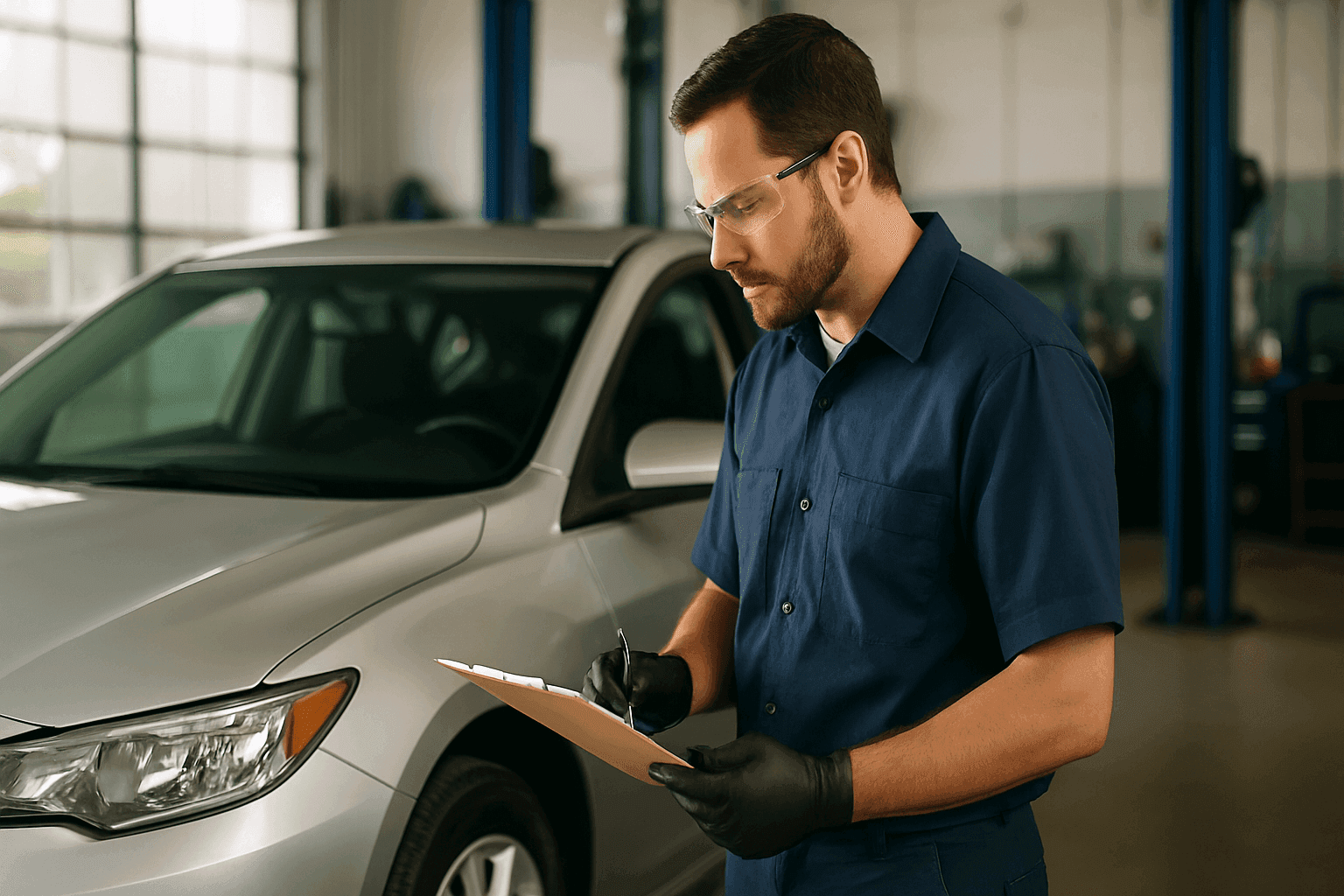
Thinking about buying a used car? You’re not alone. Whether it’s for daily commuting, family needs, or your business fleet, making the right choice is a big deal. But beneath a shiny hood, hidden problems can lurk—ones that drain your wallet and your patience.
At Hopkins Auto Repair, we’ve seen it all: engines that sound great but hide trouble, and cars that look spotless but are disasters waiting to happen. A pre-purchase inspection isn’t just a smart move—it’s your safety net.
What is a Pre-Purchase Inspection? 🚗
Imagine you’re buying a house. Would you skip the home inspection? Of course not. The same goes for cars. A pre-purchase vehicle inspection is a thorough, unbiased assessment performed by certified technicians before you commit to buying.
This process gives you the real story—not just what the seller wants you to see. It’s an independent checkup, not influenced by flashy sales pitches or quick fixes. The goal: spot hidden issues, so you can make a confident, informed decision.
What’s Included in a Professional Assessment
A true inspection from a reputable auto_repair shop like Hopkins Auto Repair doesn’t just scratch the surface. Here’s what’s usually covered:
- Engine health: Listen for odd noises, check for leaks, and scan for error codes.
- Transmission performance: Smooth shifting, no slips or shudders.
- Suspension and steering: Signs of uneven tire wear, loose parts, or rough handling.
- Brake system: Pad thickness, rotor condition, and the feel of the pedal.
- Tires: Tread depth, age, and signs of damage or uneven wear.
- Electrical systems: Lights, horn, battery, starter, and charging system.
- AC and heating: Proper function and unusual odors.
- Fluid levels and leaks: Oil, coolant, transmission, brake, and power steering.
- Exhaust system: Rust, leaks, or excessive noise.
- Frame and underbody: Signs of rust, collision repair, or structural damage.
- Test drive: Real-world feel—listen for rattles, vibrations, or warning lights.
Certified techs use diagnostic tools and their trained senses. Every nut, bolt, and belt gets a look.
Red Flags to Watch For
Not all issues are obvious. Some hide deep inside the metal and wiring. Watch for these warning signs:
- Check engine light: Even if it’s off, ask if it’s been recently reset.
- Unusual noises: Clunks, squeaks, or grinding sounds on a test drive.
- Visible leaks: Puddles under the vehicle or oily residue in the engine bay.
- Rust and corrosion: Especially on the frame or suspension parts.
- Mismatch in paint or panels: Can signal past accident damage.
- Burning smells: A sign of oil leaks, transmission issues, or overheating brakes.
- Sticky steering or brakes: Responses should be smooth and predictable.
If a seller hesitates to allow an inspection, treat it as a giant red flag.
How Inspections Save Money and Stress 💡
A pre-purchase inspection might seem like an extra step, but it’s a smart investment. Here’s why:
- Prevent expensive surprises: Finding hidden problems now keeps you from costly repairs later.
- Negotiation power: Use the findings to decide if the price is fair—or to negotiate a better deal.
- Peace of mind: Know exactly what you’re buying. No buyer’s remorse.
- Safety: Make sure the vehicle is safe for you, your family, or your employees.
- Fleet reliability: For business owners, this means fewer breakdowns and lost workdays.
Think of it like getting a flashlight in a dark room. You spot what’s lurking before it bites.
The Inspection Process – Step by Step
Curious what happens during an inspection at Hopkins Auto Repair? Here’s how we do it:
- Initial interview: We listen to your concerns and learn what matters to you—commuting, hauling, or occasional use.
- Visual check: Exterior, interior, under the hood, and under the vehicle.
- Diagnostic scan: Electronic systems checked for hidden codes or errors.
- Road test: We drive the car, just like you would, to feel for issues.
- Written report: You get a clear, unbiased review—no jargon, just facts.
- Q&A: We walk you through the results, so you know what’s urgent and what’s just cosmetic.
When Should You Get a Pre-Purchase Inspection?
- Any time you buy used: From a dealer, auction, or private party.
- For commercial fleet vehicles: Prevent downtime and keep your business rolling.
- If the price seems too good to be true: Sometimes, it is.
- If the vehicle has a complex history: Multiple owners, accident reports, or out-of-state titles.
Don’t wait until after you sign the papers. An inspection is most valuable before you buy.
Practical Tips for Buyers
- Always ask for maintenance records.
- Request a vehicle history report (like Carfax or AutoCheck).
- Never rely on just a quick drive around the block.
- Bring a checklist, or better yet, a trusted auto_repair professional.
- Don’t be rushed by a seller—take your time.
The National Highway Traffic Safety Administration (NHTSA) and Federal Trade Commission (FTC) both recommend thorough inspections before purchasing used vehicles.
Frequently Asked Questions
Q: How long does a pre-purchase inspection take?
A: Most take between 60 to 90 minutes, depending on the vehicle’s complexity.
Q: Can I be present during the inspection?
A: At Hopkins Auto Repair, we encourage you to be there or to review the results with us after.
Q: Is it worth it for older or high-mileage cars?
A: Absolutely. These vehicles often hide the most surprises.
Q: What if the seller refuses an inspection?
A: Consider walking away. A reputable seller should welcome an unbiased assessment.
Local and Seasonal Considerations 🛠️
In areas with harsh winters or salted roads, rust is a real threat. If you’re buying locally, ask about underbody protection and look for signs of corrosion. For warmer climates, pay extra attention to cooling and AC systems.
Commercial buyers: If your fleet vehicles see heavy mileage or city stop-and-go traffic, components like brakes, suspension, and transmission deserve extra scrutiny. A missed issue can mean costly downtime.
The Bottom Line
A used car is never just a car. It’s your daily ride, your business tool, your family’s safety. A pre-purchase inspection is the best way to protect your investment and drive away with confidence.
Ready to schedule an unbiased assessment?
Call Hopkins Auto Repair now — or reach us anytime at 877-745-7630 .