How to Prevent Car Battery Failure in Any Season
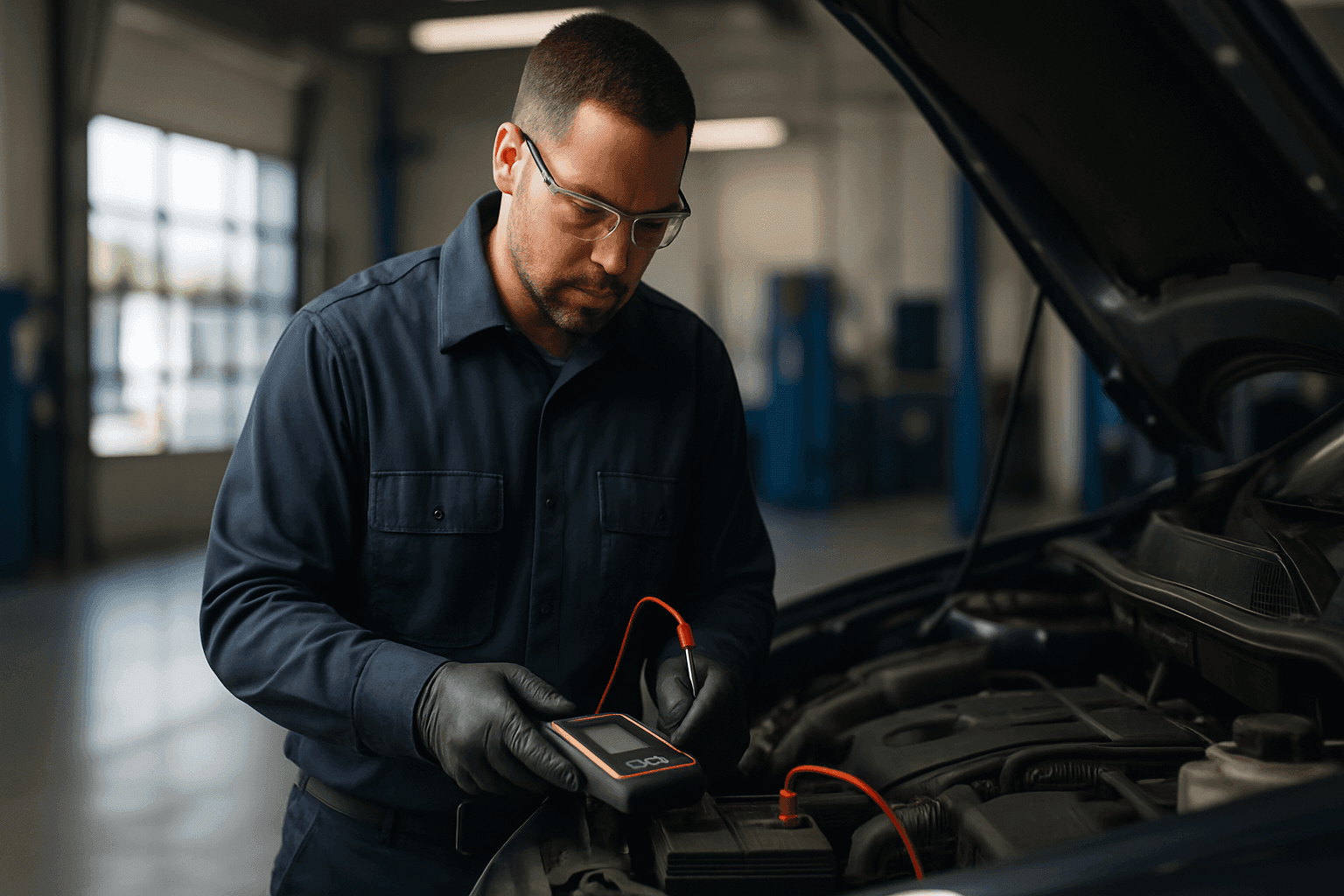
Car batteries have a knack for quitting at the worst possible moment. One minute you’re headed to an important meeting or loading up the van for a delivery; the next, your car won’t even turn over. At Hopkins Auto Repair, we know the frustration—and the fix.
Whether you’re a weekend commuter or managing a fleet, a dead battery can grind your plans to a halt. Let’s make sure your vehicle’s heart keeps beating strong, season after season.
Why Batteries Fail
Car batteries don’t just die of old age. They’re sensitive creatures, reacting to temperature swings, heavy electrical use, and time itself. Think of your battery like a marathon runner—it needs the right conditions to go the distance.
- Heat: Summer heat can evaporate battery fluid and speed up internal corrosion. Extreme temps cause the chemicals inside to break down faster, leaving you stranded on a hot day.
- Cold: In winter, a battery’s ability to deliver power drops. The engine oil thickens, making your starter work harder. A weak battery that survived summer may give up when the cold hits.
- Old Age: Most car batteries last 3–5 years, but city driving, short trips, and added electronics (like GPS or fleet trackers) can shorten life. The older the battery, the less reliable it becomes.
- Neglect: Corroded terminals, loose cables, and missed maintenance are like pebbles in a runner’s shoe—they add up. Small issues can quickly become big problems.
Battery Care Tips for Every Season 🔋
Just like you swap out your wardrobe each season, your battery needs special attention as temperatures change.
Spring & Summer
- Inspect for corrosion: White or green buildup on terminals can block power. Clean with a baking soda and water mix—just remember to wear gloves!
- Check fluid levels: Some batteries have accessible caps. Low fluid? Top up with distilled water only.
- Secure your battery: Bumpy roads can shake things loose. Make sure the hold-down is snug, especially after suspension repair near you.
Fall & Winter
- Get a load test: Before the first frost, have your battery tested at Hopkins Auto Repair. We use professional diagnostic tools to check its strength under stress.
- Limit short trips: Engines need time to recharge the battery. If possible, combine errands or take the long way home.
- Warm it up: Park in a garage when you can. Battery blankets or trickle chargers help in deep freezes.
Year-Round Habits
- Turn off accessories: Headlights, radios, and chargers drain the battery when the engine’s off.
- Tighten connections: Loose cables can mimic a dead battery. A quick wiggle test can save you a lot of hassle.
- Keep it clean: Dirt and oil create a path for power to leak away. Wipe the battery case during oil changes or fluid flushes.
How to Spot a Failing Battery Early ⚠️
Batteries rarely go out with a bang. More often, they whisper warnings. Catch the signs early and avoid getting stuck:
- Slow engine crank: If your car sounds sluggish when starting, don’t ignore it.
- Dim headlights: Lights that fade as you turn the key can signal low voltage.
- Clicking noises: A single click or rapid clicking means the starter isn’t getting enough juice.
- Check engine or battery light: Modern vehicles often warn you before total failure.
- Swollen case: Excessive heat can cause the battery to bulge—replace it immediately.
- Leaky or smelly battery: Acid leaks or a rotten egg smell are red flags.
If you spot any of these, don’t wait. A quick test from an auto_repair shop can confirm if it’s time to act.
When to Replace Your Battery
Even the toughest battery can’t last forever. But how do you know when it’s time for a new one?
The 3–5 Year Rule
Most batteries start losing their edge after three years. If yours is getting close, have it tested twice a year—especially before winter or a long trip.
After a Jump Start
Needing a jump more than once in a few months? That’s a clear sign your battery is on borrowed time.
Following Electrical Repairs
If you’ve had electrical system repair, alternator work, or issues with your starter, your battery may have been damaged in the process.
When Recommended by a Technician
At Hopkins Auto Repair, we use digital testers that measure voltage, cold cranking amps, and reserve capacity. These tools go beyond a simple “starts or doesn’t start” judgment.
We only install batteries from reputable, quality brands—no cut corners, no mystery parts. You’ll get a battery that matches your vehicle’s needs and your driving habits.
How Technicians Test Batteries
When you come in for battery replacement or diagnostics, here’s what happens:
- Visual inspection: We check for corrosion, leaks, and loose connections.
- Load testing: Our equipment simulates real-world starting conditions to measure performance under stress.
- Charging system check: We verify your alternator and voltage regulator are working as they should.
- Battery report: You’ll see detailed readings, not just a pass/fail verdict.
We follow industry standards like those published by the Society of Automotive Engineers (SAE) and vehicle safety guidelines. That means you can trust the results—and the advice you get.
Practical Tips to Keep Your Battery Strong
- Schedule regular maintenance: Include battery checks during oil changes or brake repair.
- Drive regularly: If your vehicle sits for weeks, consider a battery maintainer.
- Avoid aftermarket add-ons: High-power stereos and extra lighting can drain your battery fast.
- Check the date code: Most batteries have a sticker or stamp showing when they were made. Don’t push your luck with an old one.
Frequently Asked Questions
How often should I have my battery tested?
Twice a year is a good rule—before summer and winter. If your vehicle is used for commercial or fleet maintenance services, consider quarterly checks.
Can a bad battery affect other parts of my car?
Yes. A weak battery puts extra strain on your starter, alternator, and electrical system. It can even trigger warning lights or cause transmission repair issues if voltage drops too low.
Is it safe to replace my own battery?
If you’re comfortable with basic tools and safety steps, many people can swap a battery. But be cautious—batteries are heavy, and acid can cause burns. If in doubt, schedule service with an auto_repair professional.
Do I need to reset my vehicle’s electronics after battery replacement?
Some vehicles require a radio code or a reset for electronic modules. Check your owner’s manual, or let our technicians handle it to avoid surprises.
Local and Seasonal Considerations
In our area, weather swings can be dramatic. Hot summers are just as tough on batteries as icy winters. Salt, humidity, and potholes add to the stress, especially if you’re searching for “Suspension Repair near you” after hitting a few bumps.
For fleet vehicles, delivery vans, or work trucks, the risks multiply. Short trips and frequent restarts strain batteries year-round. Preventative checks and timely replacements are key to keeping your business moving.
Don’t let a weak battery leave you stranded. For battery replacement, diagnostics, or any auto_repair service—from fluid flushes to steering repair—Hopkins Auto Repair is here to help.
Call Hopkins Auto Repair now — or reach us anytime at 877-745-7630 .