Brake Repair 101: Warning Signs, Safety Tips, and Costs
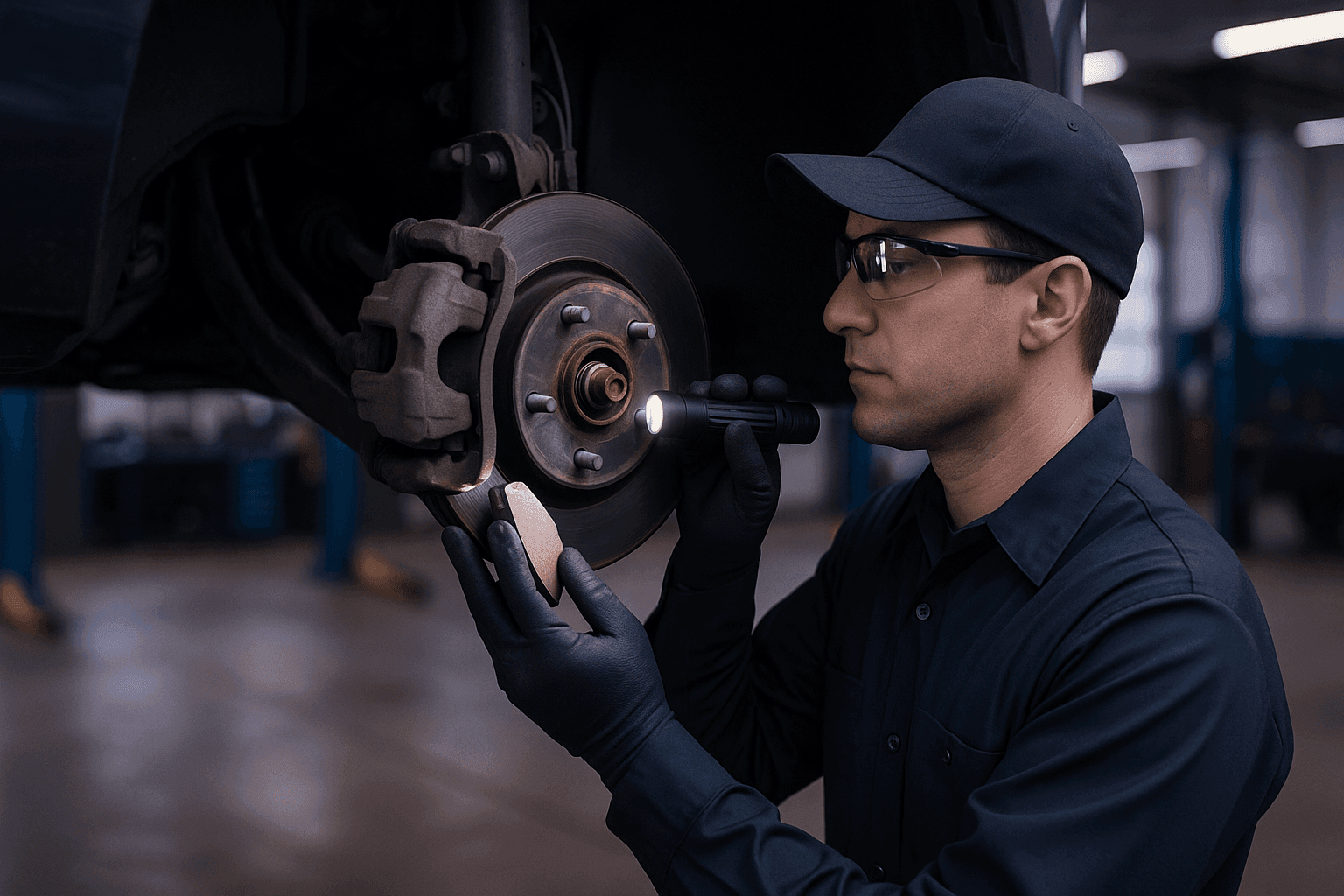
Is your car whispering—or maybe shouting—for a brake check? At Hopkins Auto Repair, we know busy lives don’t pause for car trouble. But when it comes to brakes, pausing is the point. Your safety—and your passengers’—rides on those stopping distances staying short.
Whether you’re a parent shuttling kids to practice, a business keeping your fleet on the road, or someone who just wants every trip to end safely, knowing the basics of brake repair is crucial. Here’s what every driver needs to know.
Top Signs Your Brakes Need Attention 🛑
Brakes have a language all their own. The trick is knowing what they’re trying to say:
- Squealing or grinding noises: Think of it like nails on a chalkboard—never normal. High-pitched squeals often mean worn brake pads. Grinding? That can signal metal-on-metal contact. Both deserve attention right away.
- Soft or spongy brake pedal: If your pedal feels like stepping on a marshmallow, something’s up. Air in the brake lines or low brake fluid can make stopping unpredictable.
- Brake warning light: That dashboard icon isn’t just for show. It’s a direct message from your car’s onboard diagnostics—worth listening to.
- Vibrations or pulsing: When you hit the brakes and feel vibrations in the pedal or steering wheel, warped rotors may be the culprit.
- Longer stopping distances: If you notice you need more room to come to a halt, don’t wait. Address it before it becomes a real hazard.
- Pulling to one side: If your car veers when braking, it could indicate uneven brake pad wear, a stuck caliper, or a brake fluid issue.
Ignoring these signals is like turning up the radio to drown out a strange noise—hoping it’ll go away won’t make it safer.
How to Check Your Brakes at Home
You don’t need a mechanic’s toolkit to spot early signs of trouble. Here’s what you can do in your driveway.
Visual and Listening Checks
- Look: Peek through your wheel spokes. Can you see the brake pads? They should have at least 1/4 inch of material. Thinner than that, and it’s time to schedule an auto_repair.
- Listen: Roll down the window in a quiet parking lot. Tap the brakes. Hear anything sharp, squeaky, or grinding? That’s your cue.
- Feel: Gently press the brake pedal. It should feel firm and responsive—not soft or sinking to the floor.
- Check for leaks: Any puddles under your car that feel oily and look yellowish or brownish could mean a brake fluid leak—a serious safety risk.
If you spot any of these red flags, it’s smart to call for professional help. For fleet owners, regular checks keep your vehicles safe and DOT-compliant.
Average Brake Repair Costs & Factors 💵
Talking about costs is like talking about the weather—there’s a range, and it depends on more than one thing.
- Type of repair: Replacing brake pads is less costly than replacing rotors or calipers.
- Vehicle make and model: Luxury or performance vehicles may require specialized parts, increasing the price.
- Labor: Some vehicles are built with easy-to-access brakes. Others? Not so much. More labor means higher costs.
- Condition of related components: If your rotors, calipers, or brake lines are worn, repairing just the pads won’t cut it.
- Fleet vs. personal use: Commercial vehicles put more miles on the clock. They might need heavy-duty parts, which can cost more.
On average, brake pad replacement for standard vehicles ranges from $150–$300 per axle, according to sources like AAA and Consumer Reports. Full brake jobs (pads, rotors, and calipers) can run higher. At Hopkins Auto Repair, we believe in transparent pricing—no surprises, just straightforward estimates before any work begins.
Brake Safety Tips for Every Season 🌦️
Brakes work hard year-round, but each season brings unique challenges.
- Winter: Cold weather can stiffen brake lines and reduce traction. Check pads and fluid before the first freeze.
- Spring: Potholes from winter’s thaw can damage suspension and alignment—both affect your brakes.
- Summer: Hot roads raise brake temperatures. Overheated brakes are less effective. Make sure your system is in top shape.
- Fall: Leaves and rain can make roads slick. Check your tires and brakes in tandem for best results.
Routine inspections—once every 6 months or 6,000 miles—help you stay ahead of problems, as recommended by the National Highway Traffic Safety Administration (NHTSA).
Preventive Care: Keep Your Brakes Healthy
A few habits can stretch the life of your brakes:
- Don’t ride the brakes downhill. Use lower gears when possible.
- Keep your car light. Extra weight makes brakes work harder.
- Stick to scheduled maintenance—including fluid flushes and Suspension Repair near you when needed.
- Address issues promptly. Waiting often means more expensive repairs down the line.
Why Brake Repairs Need a Pro’s Touch
Today’s brake systems are complex. While you can spot trouble, repairs require specialized tools and know-how. Our technicians at Hopkins Auto Repair undergo ongoing training in brake technology, from advanced anti-lock systems to the latest in electrical brake boosters.
We use manufacturer-recommended parts and follow industry safety standards, including guidelines set by the National Institute for Automotive Service Excellence (ASE).
Brake Repair FAQ
How long do brake pads last?
Most pads last between 25,000 and 65,000 miles, depending on driving habits and conditions.
Is squealing always a problem?
Occasional squeaks (especially after rain) may be normal. Persistent noise, however, means it’s time to check your brakes.
Can I drive with the brake warning light on?
It’s not safe. That light indicates a system issue that should be checked immediately.
How do I know if my brakes are safe after a repair?
After any service, take a test drive at low speeds. The pedal should feel firm, and stopping distances should be short and predictable.
Local and Seasonal Considerations
No matter the weather or road conditions, Hopkins Auto Repair keeps residential and commercial vehicles ready for anything. From quick oil changes to full Suspension Repair near you, we tailor service schedules to local driving patterns and seasonal needs. For businesses, ask about our fleet maintenance programs—built to minimize downtime.
Brake issues sneak up on the best of us. But you don’t have to handle them alone. Whether you need a quick check, a full brake service, or advice on keeping your fleet safe, we’re here—day or night.
Call Hopkins Auto Repair now — or reach us anytime at 877-745-7630 .