The Ultimate Guide to 24/7 Roadside Assistance: What to Expect
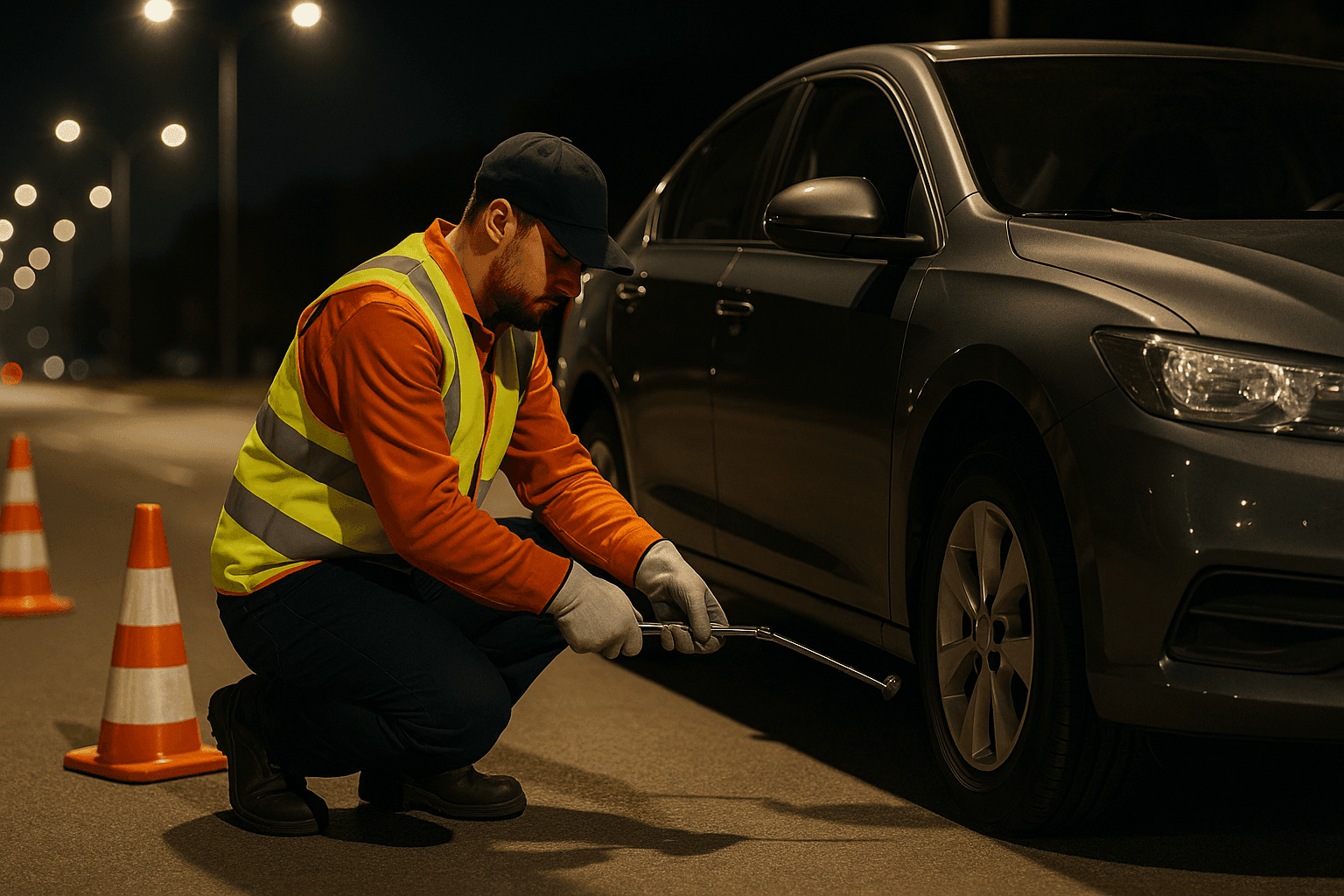
Getting stranded on the side of the road—day or night—can feel like stepping into a scene from a suspenseful movie. Your heart races. Headlights blur by. Every minute feels like an hour. At Hopkins Auto Repair, we understand the stress and uncertainty that comes with sudden car trouble. For both families and businesses, knowing help is on the way brings real relief.
Our professional, 24/7 roadside assistance team is ready when you need us most. Whether you're facing a flat tire, a dead battery, or something more complex, here’s everything you need to know—before, during, and after you call for help.
What is Roadside Assistance? 🚗
Roadside assistance is more than a quick fix—it’s a safety net. When your vehicle stops working unexpectedly, this service brings expert help right to your location. At Hopkins Auto Repair, our team handles a wide range of auto_repair needs on the spot or coordinates safe towing to our shop for bigger issues.
Think of roadside assistance as a lifeline for those unpredictable moments. It covers situations from minor headaches—like a drained battery—to more urgent problems that leave you stuck. And because breakdowns never check the clock, our service is available 24/7.
We serve both individual drivers and commercial fleets. No matter how many vehicles you manage, or how far from home you are, your call for help will be met with urgency, professionalism, and clear communication.
Common Situations Covered
Roadside trouble doesn’t care about your schedule. It can strike in the morning rush, late at night, or on a weekend road trip. Here are some of the most common situations our roadside team handles:
- Flat tires: Nails, potholes, or sudden blowouts can leave you stranded. We’ll change your tire or get you to a tire service near you.
- Dead batteries: Cold mornings and aging batteries often mean your car won’t start. We provide jump starts or on-the-spot battery replacement.
- Lockouts: Keys locked inside? It happens to everyone. Our technicians can get you back in safely.
- Out of fuel: Running out of gas always seems to happen at the worst time. We’ll deliver enough to get you moving again.
- Overheating: Steam pouring from under the hood signals trouble. Our team can quickly assess cooling system issues.
- Electrical problems: Flickering lights or failed power windows may signal deeper electrical system repair needs.
- Minor mechanical issues: From belts and hoses to exhaust system repair, we handle many quick fixes on the roadside.
- Accidents or collisions: After a fender bender, we ensure your vehicle is safe or arrange for towing.
If you’re unsure whether your problem is covered, call us. Our dispatchers are trained to listen, ask the right questions, and guide you calmly.
What to Do Before Help Arrives
When your car breaks down, your first instinct might be to panic or try to fix things fast. But safety comes first—every time. Here’s how to stay protected while waiting for roadside assistance:
- Pull over safely: Move your vehicle as far from traffic as possible. Use hazard lights so others can see you.
- Stay inside: Unless you’re in immediate danger (like a fire or smoke), remain in your car with doors locked.
- Call for help: Provide your exact location, vehicle details, and a clear description of the problem.
- Gather essentials: Keep your phone charged, and have your insurance and registration handy.
- Wait for instructions: Our dispatcher may offer tips—like not trying to jumpstart your own car if you’re unfamiliar with the process.
If you must exit your vehicle (for example, if it’s unsafe to remain inside), stand well away from traffic, behind a guardrail if possible.
Seasonal & Emergency Preparedness ❄️
Weather can turn a small breakdown into a major emergency. Winter brings icy roads and dead batteries; summer means overheated engines and flat tires. Holidays and storms also lead to longer wait times and busier roads.
Tips for staying prepared:
- Carry an emergency kit: Include items like water, snacks, blankets, a flashlight, and a reflective vest.
- Keep your phone charged: A portable charger can be a lifesaver.
- Stay informed: Listen to local weather updates and road conditions.
- Plan for delays: During storms or holidays, roadside assistance may take longer to arrive. Let family or work contacts know your situation.
According to the National Highway Traffic Safety Administration (NHTSA), preparedness reduces your risk and speeds up response in emergencies.
Quick Safety Checklist
Before you do anything else, run through this checklist:
- Are you safely away from traffic?
- Are your hazard lights on?
- Is your phone charged and nearby?
- Do you have any medical needs to address immediately?
- Is everyone in the vehicle accounted for and calm?
If you answer “no” to any of these, take action now. Safety is always the top priority.
DIY vs. Call a Pro
It’s tempting to solve car problems yourself, especially if you’re in a hurry. Sometimes, a simple fix—like tightening a battery cable or replacing a flat with your spare—makes sense. But modern vehicles are complex. Attempting a repair without the right tools or know-how can make things worse or put you in danger.
When to DIY:
- You have the tools, experience, and it’s safe (e.g., daytime, off the main road).
- The issue is minor (like adding washer fluid or replacing a wiper).
When to call a pro:
- You’re on a busy road, at night, or in bad weather.
- The problem involves electrical, engine, or suspension repair near you.
- You’re unsure what’s wrong.
Professional technicians at Hopkins Auto Repair have the training and equipment for safe, efficient fixes. Save yourself the risk and let the experts handle it.
What Pros Do On Arrival 🧰
When our roadside team arrives, here’s what you can expect:
- Professional introduction: Our technician will identify themselves and verify your information.
- Vehicle assessment: A quick but thorough look at your car’s condition—safety first.
- Communication: You’ll get a clear explanation of what we’re doing, step by step.
- On-the-spot repairs: If possible, we’ll fix the issue right there (like battery replacement or tire change).
- Next steps: If it’s not safe to drive, we’ll arrange towing to our shop for further auto_repair.
Throughout the process, you’ll be kept in the loop—no surprises, no confusion.
Prevention & Maintenance
The best way to avoid roadside emergencies is with regular maintenance. Here’s what Hopkins Auto Repair recommends:
- Check your tires: Look for wear, keep them properly inflated, and rotate them regularly.
- Inspect your battery: Replace every 3-5 years or if you notice slow starts.
- Monitor fluids: Low or dirty fluids lead to breakdowns. Schedule regular fluid flushes and oil changes.
- Listen to your car: Unusual noises, warning lights, or changes in handling? Get a checkup.
- Follow manufacturer guidelines: Your owner's manual has recommended service intervals for everything from brake repair to transmission maintenance.
The American Automobile Association (AAA) notes that most roadside emergencies are preventable with routine checks.
Costs & Time Factors
Roadside assistance costs and wait times can vary. Here’s what affects them:
- Location: Urban areas may see faster response than remote locations.
- Time of day: Nighttime or holidays may mean longer waits.
- Type of service: Simple fixes (like fuel delivery or jump starts) are quicker than complex repairs.
- Vehicle type: Commercial vehicles or specialty autos may need different tools or expertise.
While we can’t predict the exact time or price for every call, our dispatchers will give you realistic expectations and updates along the way.
When It’s an Emergency 🚨
Some situations require immediate action beyond standard roadside assistance:
- Accidents with injuries: Call 911 first. Once everyone is safe, contact us for vehicle recovery.
- Smoke or fire: Leave the vehicle immediately and move far away.
- Severe weather exposure: In extreme cold or heat, seek shelter if you can’t stay safely in your car.
Follow guidance from local authorities and emergency services. Your safety comes first—always.
FAQ: Roadside Assistance
How long does it usually take for help to arrive?
Most calls are handled within 30–60 minutes, but times vary based on location and conditions.
Can you help with commercial fleet vehicles?
Absolutely. We offer tailored fleet maintenance services and emergency response for business clients.
What information do I need when I call?
Your location (GPS or nearest landmark), vehicle make and model, and a brief description of the problem.
Will I be towed if my car can’t be fixed right away?
Yes, if a roadside repair isn’t possible, we’ll arrange safe towing to our shop for further diagnostics and auto_repair.
Local/Seasonal Considerations
Minnesota winters. Summer road trip season. Busy city streets. Rural highways. Each brings its own challenges:
- Winter: Icy roads, dead batteries, and longer wait times. Keep warm gear handy.
- Summer: Overheating and flat tires are common—watch your tire pressure.
- Holidays: More cars mean busier roads and potential delays.
- Construction season: Detours may affect response times.
No matter the season or setting, Hopkins Auto Repair adapts to your needs with clear updates and a professional response.
If you ever find yourself in a bind—flat tire, dead battery, or something more—remember you’re not alone. Hopkins Auto Repair’s 24/7 roadside assistance team is here to get you back on the road quickly and safely.
Call Hopkins Auto Repair now — or reach us anytime at 877-745-7630 .